What if I want to change my care package?
Your needs will not stay the same and care will need to reflect that, whether this means a reduction or increase in the amount of care you get, or specific changes to the kind of care support delivered. We understand that. That’s why every care package is reviewed on a regular basis to ensure that it still meets your needs, but there is no need to wait until a review to let us know of changes that may require the care to change.
What kind of support can you provide?
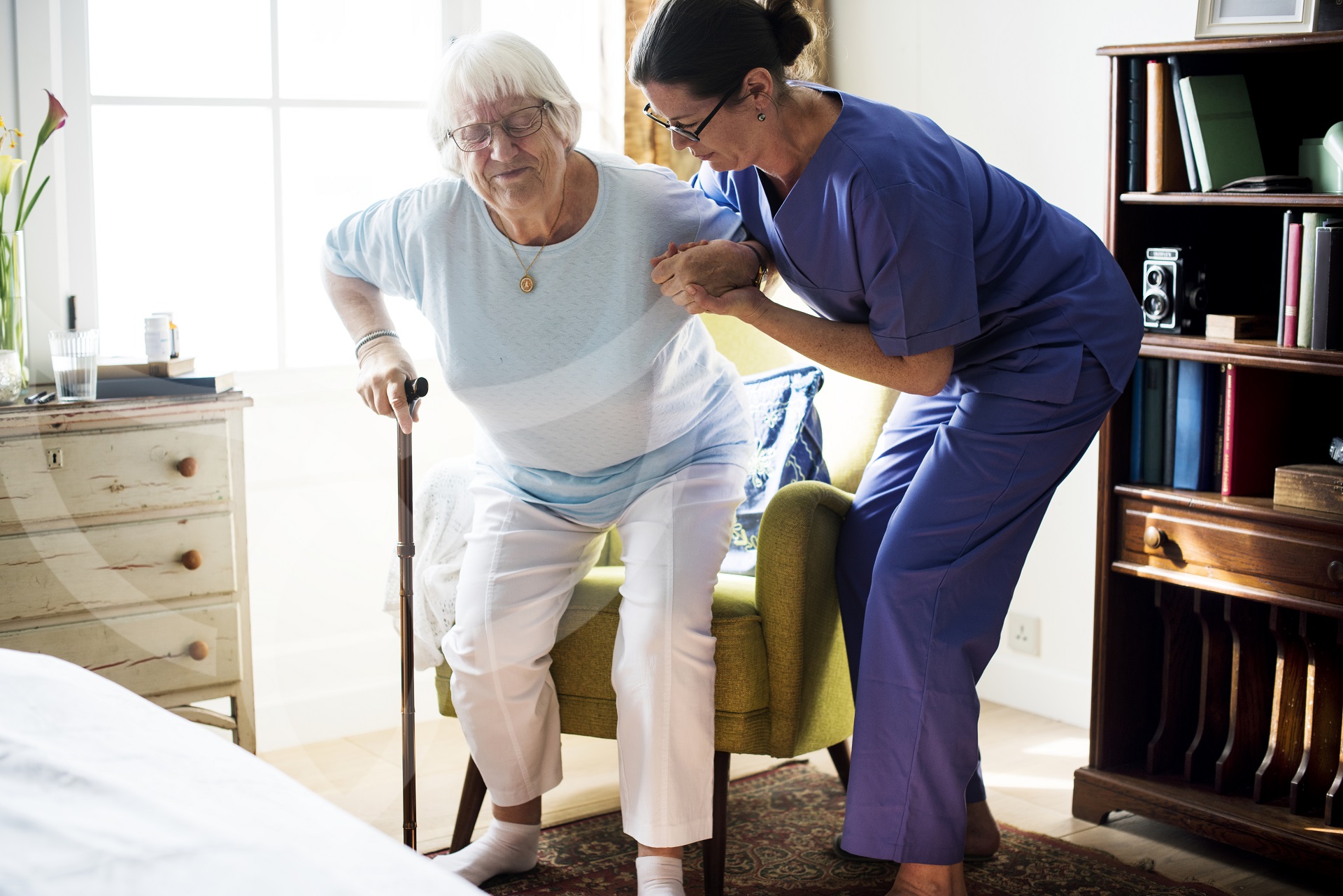
We can help with personal care needs, like getting washed and dressed, the administration of medication, and light domestic tasks such as laundering, shopping, meal preparation and cooking. We can wash up, hoover and do light ironing. We can help plan meals and shopping lists, and help you make appointments to see your GP, dentist, optician and other health care practitioners. We can offer activities to stimulate your physical and mental health and accompany you from your home to appointments, social activities and on personal outings. We can work with your relatives and friends to help design your care if you wish, as well as liaise with other professionals involved in your health care provision. We can also be there to simply listen.
What if I’m not sure what I need?
When we first meet with you and your family or friends involved in your care, we will discuss what your needs, requirements and preferences are. This is then set out in a document we call a Care Plan. Your care plan is tailored and personal to you and will list all the things you have asked us to do and/or that have been identified in the process. The care plan is used by our carers to ensure you get the best possible care and support from St Michaels.
Can I ask carers to do anything not in my Care Plan?
Carers are always asked to stick to the agreed Care Plan. This could be for safety reasons because a task has not yet been properly assessed or because carers are allocated a certain amount of time to get everything done. If you require anything that is different to what is listed on your care plan, however, we are happy to discuss with this you and to see how we can include it by updating your current care plan. It is important that all the care we provide is listed so that we know we are providing care that keeps both you and the carers who come to assist you safe.
Is there anything you cannot do?
There are some things we cannot do, like administer injections or change surgical dressings. There may be other limitations on activities that may place you or our carers at risk, such as heaving lifting or lifting without appropriate supporting equipment. If you think you need support with anything that might fall into this category, then our carers will be happy to discuss this with you and to see how we can support you to get the right help from the right people.
Will I have the same carer for every visit?
We understand that consistency of care is important and this is why we will always ensure that the number of different carers you have visiting your home to provide assistance is kept to a minimum. There are a number of factors we will consider such as the number of hours and frequency of visits you require and the type of care package you need. Sometimes your carer may be away and in cases like these we want you to be familiar with other members of our well trained and friendly team so that changes to a routine isn’t unsettling for you. While this may mean you will not have the same carer all the time we will always ensure this is kept consistent as possible and that we match the right carers to your needs.
What about safety and security?
We thoroughly vet our carers and issue them with personal identification which you can ask to see at anytime. Our carers are always highly trained and qualified to provide the care you need, whether that’s personal care or something more specialised like Parkinson’s, Dementia or End of Life care.
What sort of qualification or training do carers have?
We require all our carers to be fully qualified before they can work for us. They need to have a minimum of an NVQ Level 2 or 3 in Health and Social care. Many of our carers are life long learners and will also have other qualifications in skills such as First Aid, Food Handling, Moving and Handling People Safely, Nutrition & Hydration Awareness, Pressure Sore Prevention Training, Physical Exercise and other specialist training in Dementia Care, Parkinson’s, End of Life and Rehabilitation. We will always match the right carer with the right skills to the right client needs.
How can I be sure the carer will do all listed on the Care Plan?
Carers come with timesheets that we ask our clients to sign and there is space to record your level of satisfaction around the care you have received. Each care worker fully understands and is committed to ensuring they carry out the tasks listed on your care plan. We want you to feel confident, secure and in control every step of the way and so are always happy to receive your feedback.
How do I pay for my care?
You can pay for your care in a variety of ways. Most people receiving long term care opt for a standing order or direct debit, but you can also pay online, at the bank or by BACs once you receive our monthly invoice.
Can I get help to pay for my care?
Social services assistance and government grants are available for some people to help fund their care needs. It all depends on your income and financial status and entitlement to certain benefits. You can find out more about any help you may be entitled to and how to claim on the government’s website at www.
What times are you open?
We are open Monday to Friday 8:30am to 5:30pm and operate an out of hours phoneline outside these hours. You can use this number if you have any concerns at all.
How are you regulated and are you registered?
St Michaels is fully insured and registered in the UK to offer care services to our clients. We abide by the guidelines of the Health and Safety Executive which ensures people are safe at work in England, Scotland and Wales, as well as the United Kingdom Care Association, which promotes high quality and sustainable care services to people in their homes.